
Let’s Connect!
Portal Login
Home / Service Areas / Blown-In Attic Insulation Service in Doral, FL
Blown-in attic insulation is loose-fill fiberglass or cellulose installed across the attic floor to slow heat transfer between the attic and the air-conditioned rooms below. Green Faith Solutions serves Doral homeowners with recommendations based on existing insulation, attic conditions, and the comfort concerns they are experiencing.
Doral’s warm, humid climate makes attic performance important throughout much of the year. Thin, compressed, disturbed, or missing insulation may allow more roof heat to move through the ceiling. This can contribute to warmer rooms and longer air-conditioning cycles. Insulation is not the solution to every cooling or humidity concern, but an attic inspection can show whether it is part of the problem.
A roof absorbs solar heat throughout the day. Some of that heat enters the attic and moves toward the cooler rooms below. Insulation adds resistance between these spaces and helps slow heat flow through the ceiling.
The National Weather Service’s 1991–2020 climate normals reflect South Florida’s consistently warm conditions. Proper attic coverage may support steadier room temperatures, although results also depend on ductwork, AC efficiency, air leakage, windows, and household habits.
Fact: ENERGY STAR estimates that air sealing and adding insulation can save homeowners an average of 15% on heating and cooling costs. Actual savings vary by home.
Blown-in insulation, also called loose-fill insulation, is made of small fibers installed with pneumatic equipment. The material moves through a hose and is distributed across the attic floor until the required depth, density, and coverage are reached.
Loose-fill material can surround joists, wiring, ducts, and irregular framing, making it useful in existing attics. A deep-looking layer does not always provide the intended R-value, so the U.S. Department of Energy advises checking depth, density, and even distribution against the manufacturer’s coverage chart.
Did you know? ENERGY STAR notes that attic insulation may be adequate in the center but thin near the eaves. Checking several areas helps identify uneven coverage.
A high electric bill alone does not prove that insulation is inadequate. Weather, energy rates, equipment condition, and thermostat use also affect consumption. However, several signs may justify an evaluation:
The entire attic should be reviewed because corners, perimeter areas, and spaces around ducts may differ greatly from the access area.
Repair work may leave shallow areas when insulation is moved and not restored. Foot traffic and storage can compress it, while missing baffles may allow attic airflow to shift lightweight material away from the eaves.
Age alone does not determine whether insulation needs replacement. Clean, dry material may remain usable, while wet, contaminated, or heavily compressed areas require closer evaluation.
There is no single depth for every Doral attic. The amount depends on the existing insulation, attic size, selected material, current R-value, intended finished R-value, ventilation, and manufacturer specifications.
R-value measures resistance to heat flow. Higher R-value generally means greater resistance, but gaps, compression, moisture, and uneven density can reduce real-world performance.
Because fiberglass and cellulose provide different R-values per inch, installers should measure several areas and follow the selected product’s bag-count and settled-thickness requirements.
Blown-in fiberglass and cellulose can both provide effective coverage. The right choice depends on the attic.
Fiberglass is lightweight and fits around common obstructions, although some products require more depth than cellulose. Cellulose is made primarily from treated recycled paper fibers and is denser, but its weight, settling requirements, and the attic’s moisture history should be considered.
Green Faith Solutions evaluates the existing conditions before recommending either option. The selection should reflect compatibility, access, ventilation, moisture, and the home’s needs.
South Florida homes must manage heat and moisture together. Roof leaks, plumbing leaks, condensation, or exhaust ducts that release moist air into the attic can wet insulation and nearby materials.
New insulation should not cover damp material or an unresolved leak. The EPA recommends keeping indoor relative humidity below 60% and ideally between 30% and 50% when possible, but insulation alone does not control humidity. AC operation, ventilation, air leakage, and water intrusion also matter.
A home that feels humid or develops condensation may need an HVAC or moisture evaluation in addition to attic insulation. The goal is to address the actual source rather than expecting insulation to perform a job it was not designed to do.
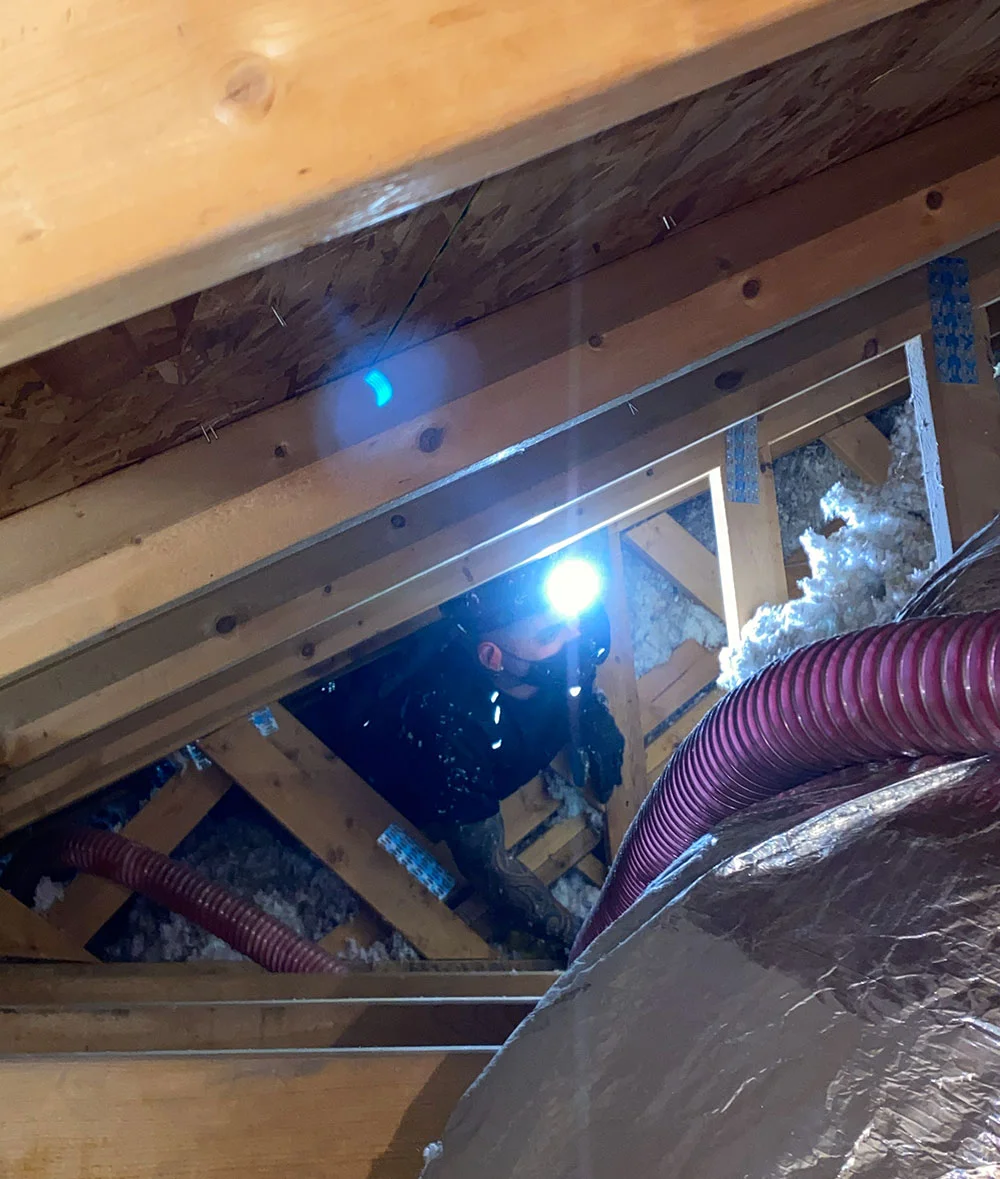
Moisture management is especially important in a hot, humid climate. Roof leaks, plumbing leaks, condensation, or exhaust fans terminating inside the attic may wet insulation and surrounding materials. Installing new insulation over damp material can conceal the source and make later repairs more difficult. Wet insulation may also lose performance, develop odors, or contribute to deterioration of ceiling and roof components.
The EPA recommends keeping indoor relative humidity below 60 percent and ideally between 30 and 50 percent when possible. Insulation alone does not control indoor humidity because air-conditioning runtime, ventilation, air leakage, water intrusion, and equipment sizing also affect moisture levels. A home that feels clammy or develops condensation may need an HVAC or moisture evaluation in addition to attic work. Any roof or plumbing leak should be repaired and the affected materials allowed to dry before new insulation is installed.
Many South Florida homes have air-conditioning ducts running through hot attic spaces. Leaking supply ducts can release cooled air before it reaches the rooms, while return-side leaks may pull warm, humid, or dusty attic air into the HVAC system. ENERGY STAR estimates that approximately 20 to 30 percent of the air moving through a typical home’s duct system may be lost through leaks, holes, and poor connections. This loss can contribute to higher energy use and rooms that remain uncomfortable despite frequent cooling cycles.
Adding insulation to the attic floor will not repair a disconnected or leaking duct. The ducts should be evaluated when a home has persistent temperature differences, weak airflow, excess dust, or unusually long cooling cycles. Green Faith Solutions’ documented capabilities include energy assessments, duct sealing, and blown-in insulation, allowing these systems to be considered together. A combined evaluation can help determine whether the property needs insulation, duct improvements, or several coordinated measures.
Accessible air leaks should be evaluated before new material covers the attic floor because fiberglass and cellulose are not complete air barriers. Attic ductwork also matters: supply leaks can lose cooled air, while return leaks may draw warm, humid attic air into the system.
The inspection should also identify blocked ventilation, pest contamination, and electrical concerns. Adding insulation does not correct disconnected ducts, roof leaks, moisture intrusion, or mechanical problems.
It may help when shallow or uneven insulation allows substantial attic heat to move through the ceiling. Improving coverage can reduce that heat flow and may help the home maintain its selected temperature more consistently.
Long cooling cycles may also result from duct leakage, restricted airflow, equipment condition, system sizing, or thermostat concerns. A new AC still works within the same building envelope and cannot correct weak insulation coverage.
An attic inspection can help determine whether insulation is contributing to the problem or whether another part of the home requires attention.
Green Faith Solutions begins by discussing the homeowner’s concerns and inspecting several attic areas. Existing insulation, access, ventilation, moisture, fixtures, and visible duct conditions are reviewed.
Preparation may include protecting the access area, maintaining ventilation paths, repairing baffles, and placing depth markers. Fiberglass or cellulose is then installed in controlled passes, with attention to corners, eaves, and areas around ductwork.
Final checks confirm coverage, clearances, and open ventilation paths. Homeowners should understand which material was installed, the intended R-value, and the approximate finished depth.
The cost to get insulation blown in depends on attic size, existing material, selected product, target R-value, access, preparation, and required material quantity.
Square footage alone may not reflect moisture concerns, damaged baffles, or difficult access. An onsite inspection creates a clearer scope for comparing material, bag count, preparation, and intended performance.
When reviewing local insulation contractors, homeowners should compare what each proposal includes rather than looking only at the final price. Two estimates for the same attic may specify different material quantities, preparation, or finished R-values.
Green Faith Solutions provides blown-in fiberglass and cellulose insulation for homeowners in Doral, Florida. We measure before recommending instead of assuming that every attic needs the same material or depth.
Our evaluation looks beyond the attic hatch and considers uneven coverage, moisture, ventilation, and accessible air leakage. When insulation is appropriate, we explain the product, preparation, target coverage, and installation process in straightforward terms.
A hot house, uneven rooms, or an air conditioner that runs for long periods may be connected to inadequate attic insulation, but the right next step is to inspect rather than assume. Contact Green Faith Solutions to schedule a free attic inspection in Doral, understand the condition of the insulation above your ceiling, and learn whether professionally installed blown-in fiberglass or cellulose is appropriate for your home.
Uneven rooms, long AC cycles, bare areas, or insulation below the joists may justify an inspection.
Yes, when the existing insulation is clean, dry, and stable.
Both can work well. The right option depends on the attic’s conditions and project goals.
Many residential projects can be completed within a day, depending on access and preparation.
Not directly. HVAC operation, ventilation, air leakage, and moisture sources also affect humidity.
It may help when coverage above the room is weak, but ducts and windows can also contribute.
No. Clean, dry material may remain usable.
Installers consider attic size, existing R-value, selected material, and manufacturer coverage requirements.
Yes. Water intrusion and damp materials should be corrected before installation.
No. New equipment still works against heat entering through an underinsulated ceiling.