Let’s Connect!
Portal Login
Home / Blown-In Attic Insulation Services in Sun City West, AZ
It is late afternoon, and the living room feels comfortable, but the bedroom down the hall is noticeably warmer. The air conditioner has been running, the thermostat is set correctly, and the vents appear to be working. Yet the house still does not feel evenly cooled.
For homeowners near Sun City West, situations like this may point to more than an air-conditioning concern. Heat moving through an under-insulated attic can make certain rooms warmer, increase cooling demand, and cause a home to heat up quickly after the AC turns off.
Blown-in insulation is a loose-fill material installed across the attic floor to resist heat movement between the hot attic and the conditioned rooms below. Green Faith Solutions is based in Glendale, Arizona, and serves homeowners near Sun City West with residential blown-in attic insulation using fiberglass or cellulose.
Our approach begins with the attic’s actual condition. Existing material, insulation depth, attic access, ventilation, and uneven areas should all be evaluated before determining whether additional insulation is appropriate.
Homes near Sun City West face a long cooling season. According to the National Weather Service, Phoenix averages about 94 days each year with temperatures of 100°F or higher, creating months of heat exposure for local roofs and attics.
As the roof heats up, attic heat moves toward the cooler rooms below. Thin, compressed, or uneven insulation allows more heat to pass through the ceiling, increasing the workload on the air conditioner.
Attic insulation does not cool a vented attic. It slows heat transfer so indoor rooms can maintain more consistent temperatures.
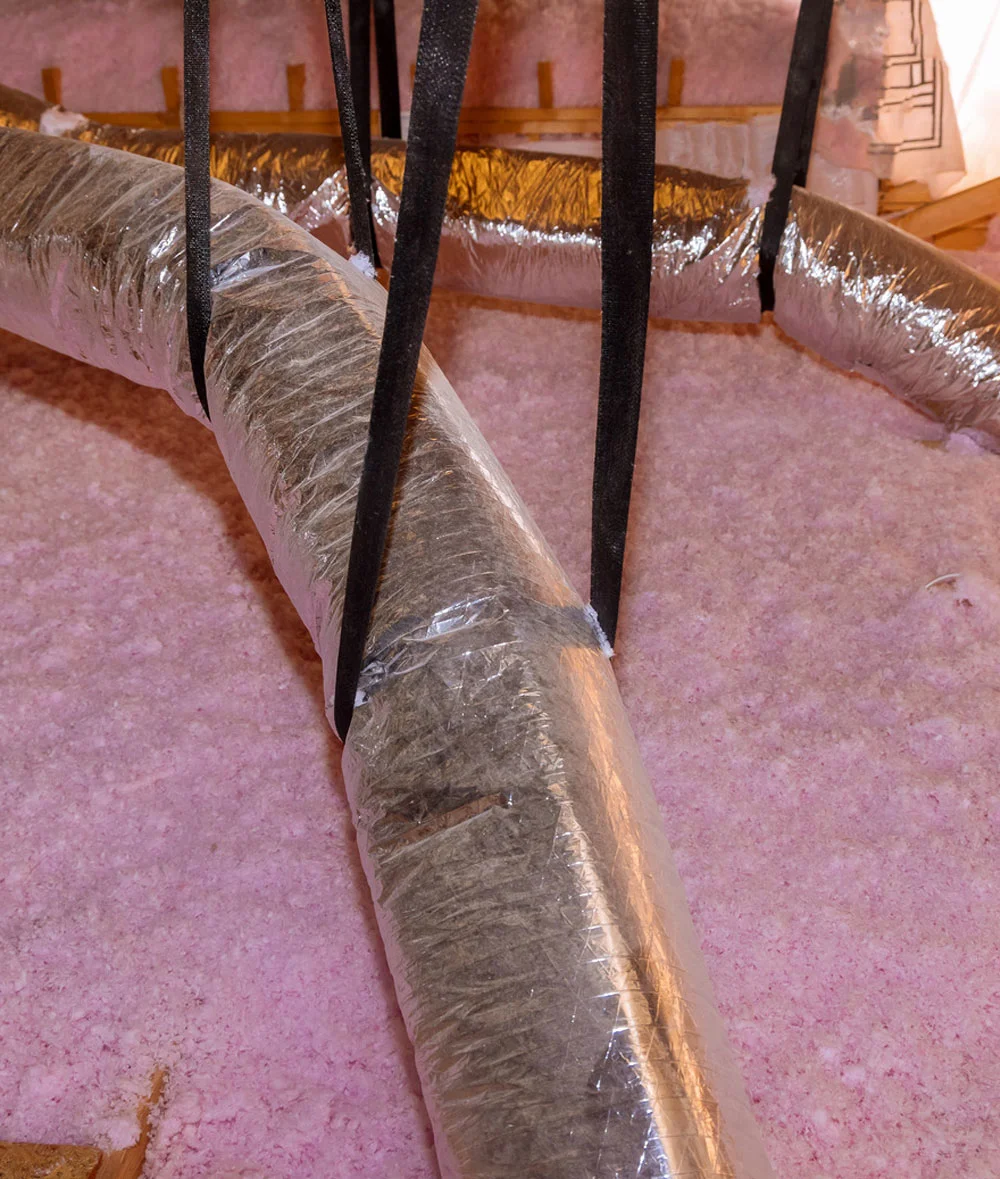
Blown-in attic insulation is made from loose fiberglass or cellulose fibers installed through a hose. The material settles around framing, wiring, pipes, and other attic features, making it useful for filling irregular or difficult-to-reach areas.
Fiberglass and cellulose can both provide effective thermal resistance when installed at the correct depth and density. Even coverage is important because deep insulation near the attic opening cannot compensate for bare or shallow areas elsewhere.
The air conditioner produces cool air, while insulation helps the home retain it. When attic insulation is inadequate, heat continues entering through the ceiling, forcing the cooling system to remove it repeatedly.
Consistent blown-in insulation may help rooms remain comfortable longer, reduce noticeable ceiling warmth, and support more balanced indoor temperatures. Windows, duct airflow, air leakage, sun exposure, and HVAC condition can also affect comfort.
Uneven attic insulation may cause one bedroom or living area to feel warmer than nearby rooms. Material can settle or be moved during roofing, electrical, cable, or HVAC work, leaving shallow areas above certain parts of the home.
A proper attic evaluation should measure insulation in several locations, especially above rooms with noticeable temperature differences. Checking only the area beside the attic hatch may not reveal the full condition of the attic.
A new air conditioner can improve cooling performance, but it cannot correct every source of heat entering the home. When attic insulation is insufficient, the new system may still work against heat passing through the ceiling.
Long cooling cycles do not automatically mean the AC is defective. Insulation gaps, duct conditions, windows, airflow, and air leakage may all contribute. Evaluating the attic helps determine whether blown-in insulation could reduce part of the home’s cooling demand.
Possible signs of inadequate or uneven attic insulation include:
These signs do not always mean more insulation is needed, but they may justify an attic evaluation. Homeowners should avoid entering an Arizona attic without proper training and equipment because of extreme heat, wiring, sharp fasteners, and unsafe walking surfaces.
R-value measures an insulation material’s resistance to heat flow. Higher R-values generally provide greater thermal resistance.
The final R-value depends on the insulation type, depth, density, and quality of installation. Consistent coverage is important because shallow areas can weaken the attic’s overall performance.
Depth markers placed throughout the attic can help installers monitor the material and document the completed insulation level.
A residential blown-in insulation project begins with an attic evaluation. The installer identifies the existing material, measures its depth, estimates the attic square footage, and documents uneven or exposed areas. This step matters because ENERGY STAR reports that 9 out of 10 U.S. homes are under-insulated.
Ventilation openings, ducts, fixtures, wiring, and attic access points should be considered before installation. After preparation, fiberglass or cellulose insulation is distributed across the attic floor to the planned depth and R-value.
The crew should protect the pathway through the home, contain loose material, and clean the work area afterward. Photos and documentation can help homeowners verify the installed material and completed coverage.
Existing insulation does not always need to be removed. Dry, reasonably clean material may remain in place while new blown-in insulation is added to improve depth and fill uneven areas.
Removal may be appropriate when the insulation is wet, contaminated, heavily damaged, or affected by pests. The decision should be based on the current condition of the material rather than its age alone.
The cost of blown-in insulation near Sun City West depends on the attic and the work required. Common factors include:
Homeowners should compare the complete project scope rather than focusing only on price. A clear estimate should identify the material, attic area, proposed R-value, preparation, cleanup, and method used to verify coverage.
A reliable insulation contractor should explain what was found in the attic and why additional insulation may be recommended. The estimate should clearly describe the material, target R-value, attic square footage, ventilation protection, and cleanup process.
Homeowners should also ask how ducts, wiring, fixtures, and difficult attic areas will be handled. Before-and-after photos can help confirm that blown-in attic insulation was installed evenly and that the completed work matches the proposed scope.
When a home near Sun City West stays hot, has uneven room temperatures, or places a heavy workload on the air conditioner, the attic may be contributing to the concern. Green Faith Solutions serves homeowners near Sun City West from our Glendale, Arizona location with residential blown-in attic insulation evaluations and installations. Contact our team to discuss what you have noticed and arrange an evaluation based on the actual depth, condition, and coverage of your attic insulation.
It may help the living area remain more comfortable by slowing heat transfer through the ceiling. It does not create cold air, and results also depend on the AC system, ducts, windows, air leakage, and sun exposure.
No. A traditional vented attic will still become hot during summer. The insulation helps separate that hot attic from the conditioned rooms below.
Improved attic coverage may reduce part of the cooling load, but a specific runtime cannot be guaranteed. Weather, thermostat settings, AC condition, duct performance, and household activity also affect operation.
Both materials can perform well when installed correctly. The appropriate option depends on the existing insulation, attic configuration, desired R-value, and project plan.
Often, yes. Existing material may remain when it is dry, reasonably clean, and suitable to cover. Wet, damaged, or contaminated insulation should be evaluated first.
The amount depends on the current material, existing R-value, attic design, and intended performance level. Different insulation materials provide different R-values per inch.
Attic heat transfer may be one factor. Air leakage, windows, direct sun exposure, duct conditions, and the home’s overall construction may also contribute.
It can be helpful. Workers may move insulation to reach equipment or building components, and the material may not always be redistributed evenly afterward.
The process uses loose material, but a careful crew should protect the pathway, control the installation hose, contain spills, and clean the area after completing the work.
Ask for the final R-value, insulation documentation, installation photos, and records of the material used. Depth markers can also help demonstrate consistent coverage.