Let’s Connect!
Portal Login
Home / Service Areas / Blown-In Insulation Near Phoenix, AZ
Blown-in insulation is a loose-fill material installed across the attic floor to slow heat transfer between the attic and the rooms below. For Phoenix homeowners, it can be especially useful when a house stays hot, the air conditioner runs for long periods, or a recently replaced AC still struggles to keep rooms comfortable.
Green Faith Solutions is based in Glendale, Arizona, and serves homeowners throughout the Phoenix metro area. We focus on residential blown-in attic insulation using fiberglass or cellulose, with recommendations based on the home’s existing insulation, attic layout, and comfort concerns.
Homes near Phoenix face a long cooling season. According to the National Weather Service, Phoenix averages about 94 days each year with temperatures of 100°F or higher.
As roofs and attics absorb heat, warmth moves toward the cooler rooms below. Thin, compressed, or uneven insulation allows more heat to pass through the ceiling, increasing the workload on the air conditioner.
Attic insulation does not cool a vented attic. It slows heat transfer, helping indoor rooms maintain steadier temperatures.
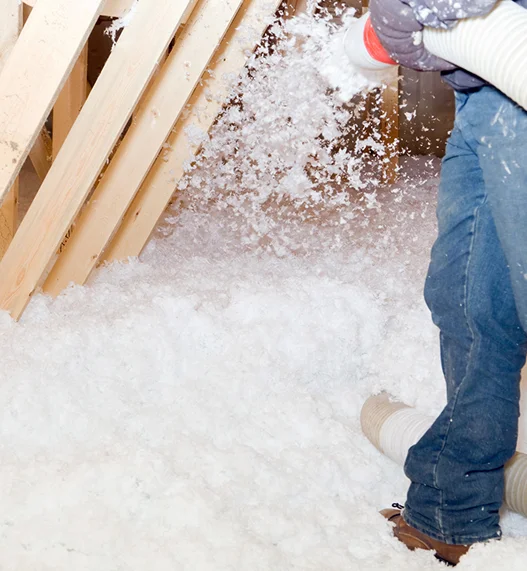
Blown-in attic insulation is made from loose fiberglass or cellulose fibers installed through a hose. The material settles around framing, wiring, pipes, and irregular spaces to create more consistent attic coverage.
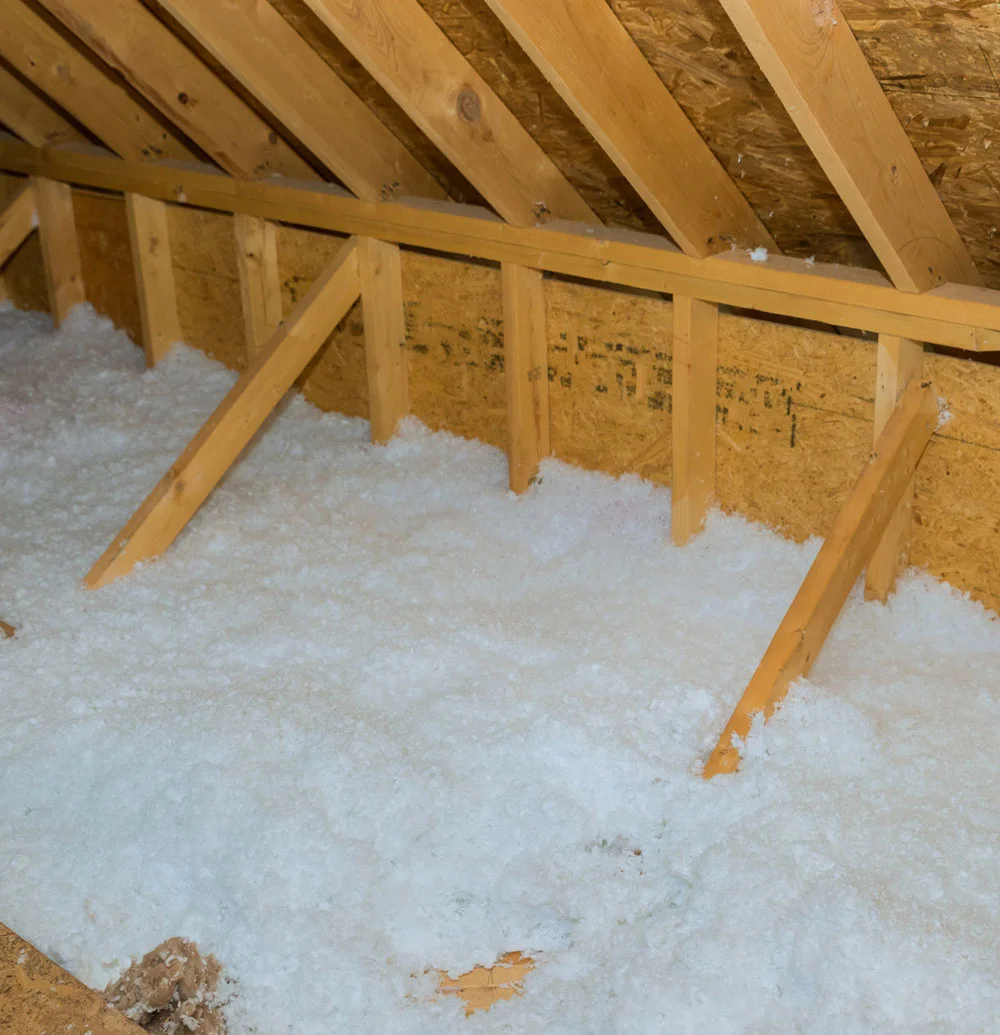
Insulation performance is measured by R-value, which reflects resistance to heat flow. Material type, installed depth, density, and even coverage all affect performance. Bare or shallow sections can weaken the attic’s thermal protection.
Blown-in insulation can help reduce heat moving through the ceiling and support more balanced indoor temperatures. Homeowners may notice that certain rooms stay comfortable longer or that the AC does not need to run as aggressively.
Insulation is only one part of home comfort. Ductwork, windows, air leakage, sun exposure, thermostat settings, and HVAC condition may also affect how a Phoenix-area home feels.
A new air conditioner can improve cooling performance, but it cannot correct every source of heat entering the home. If attic insulation is inadequate, the new system may still work against heat passing through the ceiling.
Long cooling cycles do not always mean the equipment is defective. Insulation gaps, duct conditions, windows, airflow, and air leakage may also contribute.
An attic evaluation can help determine whether blown-in insulation may reduce part of the home’s cooling demand.
Possible signs of low or uneven attic insulation include:
These signs do not automatically mean more insulation is required, but they may indicate that the attic should be evaluated. Measurements should be taken in several areas rather than only beside the attic access.
A residential blown-in insulation project begins with an attic evaluation. The installer identifies the existing material, measures its depth, estimates the attic square footage, and documents shallow or exposed areas.
Ventilation openings, ducts, wiring, fixtures, and access points should be considered before installation. Once the space is prepared, fiberglass or cellulose insulation is distributed across the attic floor to the planned depth and R-value.
The crew should monitor coverage, protect the pathway through the home, contain loose material, and clean the work area afterward. Photos, depth markers, and installation records can help verify the completed work.
Not always. Dry, reasonably clean insulation can often remain while new blown-in material is added to improve depth and fill uneven areas. ENERGY STAR reports that 9 out of 10 U.S. homes are under-insulated, so the existing insulation should be evaluated before deciding whether to add to or remove it.
Removal may be appropriate when the insulation is wet, contaminated, heavily damaged, or affected by pests. The decision should be based on its current condition rather than age alone.
We’ve made the smart energy upgrade easier to say yes to. Combine low monthly financing with available utility rebates — most homeowners pay less per month in financing than they save on their electric bill.
Major utilities — FPL in Florida and SRP/APS in Arizona — offer energy-efficiency rebates and incentive programs for qualifying homeowners. We help you identify which programs you qualify for and assist with the paperwork — at no extra charge.
Fast home-improvement financing
Soft credit checks, transparent terms
Flexible monthly payment plans
Energy-efficiency specialists
Multi-lender comparison
Approval in minutes. Soft credit checks available. Multiple programs to fit every credit profile.
The cost to get insulation blown in near Phoenix depends on the attic and the project scope. Common factors include:
Homeowners should compare more than the final price. A clear estimate should identify the material, attic area, proposed R-value, preparation, cleanup, and method used to verify coverage.
A reliable insulation contractor should explain what was observed in the attic and why additional insulation may be recommended. The proposal should clearly define the material, attic square footage, target R-value, ventilation protection, and cleanup process.
Homeowners should also ask how ducts, wiring, fixtures, and difficult attic areas will be handled. Before-and-after photos can help confirm that the blown-in attic insulation was installed evenly and matches the proposed scope.
When a Phoenix home stays hot or the AC seems to run without getting a break, the attic is worth examining before assuming the cooling equipment is the only problem. Green Faith Solutions serves Phoenix-area homeowners from our Glendale location with residential blown-in attic insulation evaluations and installations. Contact our team to discuss the comfort concerns you are noticing and arrange an attic evaluation based on the actual condition of your home.
It can help the living space stay more comfortable by slowing heat transfer through the ceiling. It does not cool the attic itself, and the results depend on the home’s overall insulation, air leakage, windows, ductwork, and cooling system.
Insulation cannot guarantee a specific runtime, but improved attic coverage may reduce the cooling load placed on the system. Weather, thermostat settings, equipment condition, duct performance, air leakage, and home design also affect how long the AC runs.
Both materials can perform well. The appropriate choice depends on the attic, existing material, desired R-value, project requirements, and installation plan. Consistent depth and complete coverage are important with either option.
Blown-in insulation can remain useful for many years when it stays dry and undisturbed. Its condition should still be checked after roof leaks, pest activity, remodeling, electrical work, or repeated attic access.
Often, yes. Existing insulation may remain when it is dry, clean enough to cover, and otherwise suitable. Wet, contaminated, damaged, or questionable material should be evaluated before another layer is installed.
The amount depends on the current R-value, material type, climate zone, attic assembly, and applicable requirements. Depth alone does not provide a universal answer because insulation materials offer different R-values per inch.
Uneven attic insulation may be one cause, particularly when there are bare or shallow areas above that room. Sun exposure, windows, duct airflow, room location, and air leakage can also contribute.
That depends on the condition of the equipment. When the AC is functioning but the home gains heat quickly, evaluating the attic may provide useful information before deciding on another major mechanical change.
The installation process involves loose material, but a careful crew should protect the work path, control the installation hose, contain spills, and clean the area afterward. Homeowners should ask how the property will be protected before work begins.
Request the final R-value, material documentation, coverage records, and photos of the completed attic. Depth markers and consistent coverage across the attic can help show that the work matches the agreed scope.